
Debt and Borrowing: What to Consider When Income Feels Uncertain
When work or markets feel uncertain, borrowing can appear to offer quick relief. Learn how to think about the purpose, repayment pressure and risks of debt before making a decision.
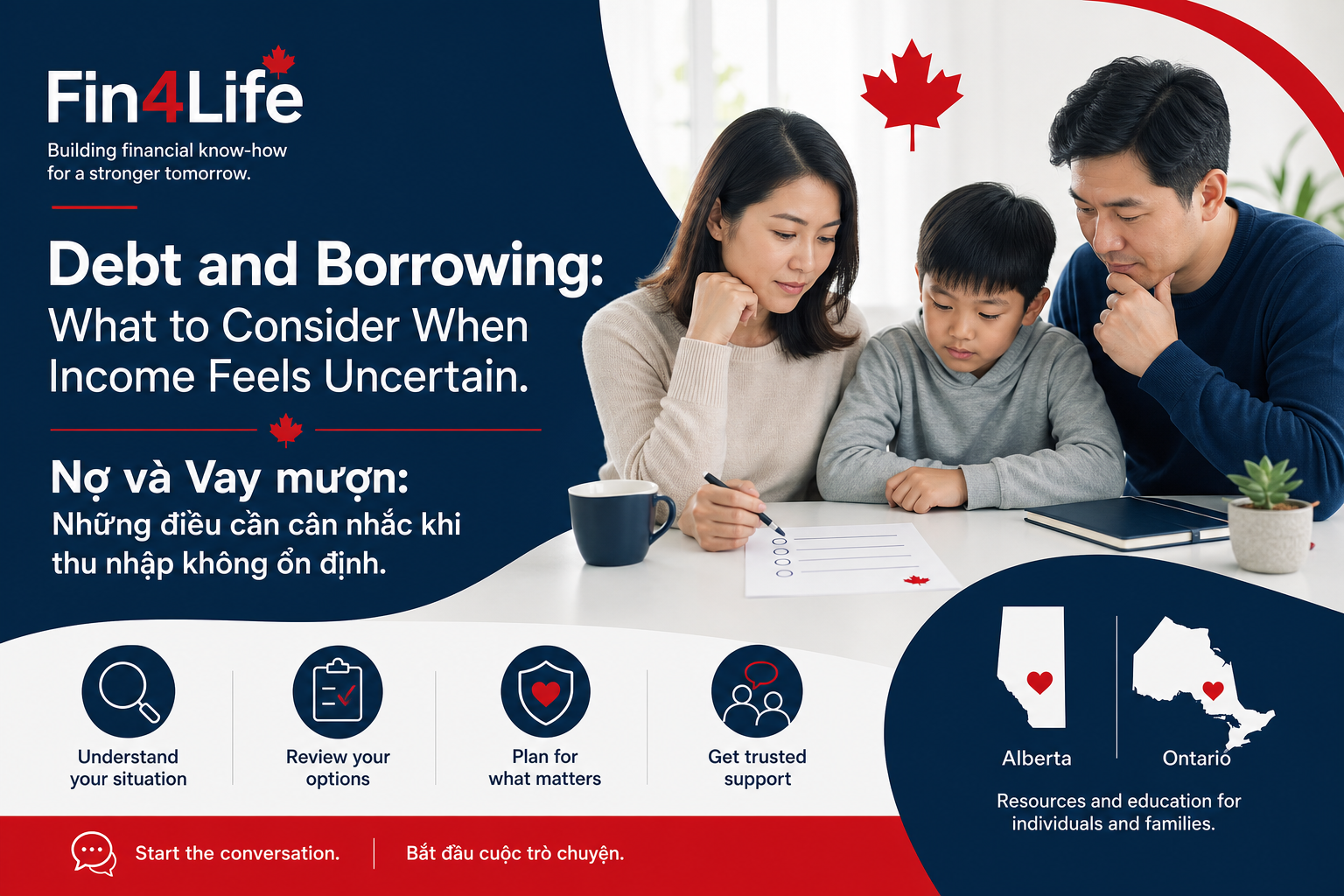
Imagine a family whose local industry is facing an uncertain market. A major employer may be trying to maintain operations while conditions change, but the family still has everyday bills and may wonder whether borrowing could help bridge a difficult period.
This example highlights an important distinction: a loan is not the same as income. Borrowing provides money now, but it also creates an obligation to repay under the terms of the agreement. Before considering debt, it can be useful to identify the purpose of the borrowing, the total amount required and how repayments could fit within the household’s expected cash flow. A lower monthly payment may still involve a longer repayment period or a greater total cost, depending on the agreement.
Recent federal announcements illustrate that borrowing can also occur at an organizational level. One lumber company was announced as receiving a $60-million loan through a federal facility intended for large enterprises affected by tariff conditions. The stated purposes included maintaining operations, transitioning toward a business model less reliant on the United States and limiting disruption to its workforce. That corporate example does not mean a household can access the same facility or that a business loan solves a family’s personal debt needs. It simply shows that the purpose and structure of borrowing matter.
For individuals and families in Alberta and Ontario, a useful learning exercise is to write down each proposed borrowing decision in plain language: What problem would it address? What repayment commitment would it create? What could happen if income changed or the expense lasted longer than expected? Comparing those questions with the written loan terms can make the decision easier to understand.
This is general financial education, not personalized financial, tax or legal advice. Learn more about borrowing and debt management before making a decision, and consider qualified professional guidance for your circumstances.
General education, not individual financial, tax, legal or insurance advice. Examples are illustrative.